
Contenido
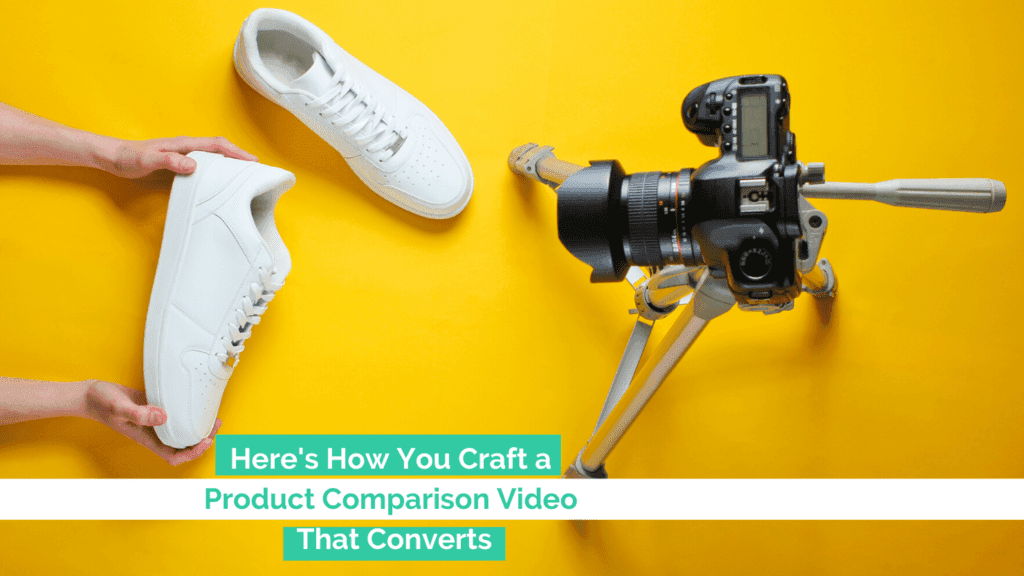
En cualquier faceta del marketing, el objetivo es la conversión, y los vídeos de comparación de productos no son una excepción.
Al igual que con cuadros comparativos de productosLos vídeos comparativos de productos son una forma excelente de mostrar uno o varios de sus productos afiliados. Si se hacen de forma respetuosa y correcta, pueden reportar multitud de ventajas, como fidelidad a la marca y nuevos compradores.
Puede ser difícil encontrar la mejor manera de mostrar un producto, y aún más difícil hacerlo con tacto.
Thankfully, it’s not as complicated as you think! Buyers are all different, but there’s always one thing on any shopper’s mind: ¿Qué producto resuelve su problema con mayor eficacia y al mejor coste?
In this blog post, we’ll discuss the best ways to make a product comparison video that gives your customers this information, and converts!
¿Qué es un vídeo comparativo de productos?
A product comparison video is a video that pits one product against another, showing features and perks of both. They mostly help viewers decide which product makes the most sense for their budget and needs. The viewer’s goal is to get the highest value for their money.
Este tipo de contenido digerible es un activo excelente para el marketing de afiliación. A menudo puedes lanzar dos de tus productos de afiliación a la vez sin restar valor a ninguno de ellos.
Here’s how you craft a product comparison video that converts:
Entender lo que quieren los espectadores

Understanding buyer desires is a no brainer when it comes to marketing your affiliate products. But here’s the tricky part of product comparison videos: everyone wants something different, and there’s no one way to do it right. If you’re going to get the most ROI out of your work, you need to know your audience.
Tu éxito depende en gran medida de que sepas lo que quiere tu público más de un producto. Qué aspectos de su producto atraerán a alguien a su vídeo, lo mantendrán allí todo el tiempo y lo inspirarán a comprar?
You should also know why a buyer is stopping by your video so that you can name and market it correctly. What stage is your viewer in when they get online? Are they looking for a new way to open a can of tuna, so they’re searching for can opener recommendations? Or do they already have a can opener in mind and have entered the brand directly in their search bar?
Conocer estos detalles y elegir los títulos y las palabras clave con intención te ayudará a atraer a compradores reales para que vean tu vídeo.
Entender lo que necesitan los espectadores
Cuando sepas lo que quieren tus espectadores, tienes que tomarte un tiempo para pensar en lo que necesitan. Destaca esos puntos en tu vídeo con el mayor detalle posible.
Por ejemplo, se pueden comparar los detalles de las especificaciones y la calidad del objetivo, así como el espacio de almacenamiento desglosado de una videocámara. Los espectadores también querrán comparar la facilidad de uso a la hora de subir archivos, o quizás quieran saber qué software se incluye y cómo es su rendimiento.
If you’re comparing two online SAAS, you could show things like price, functionality, and the inner workings of the software. How does it match your viewer’s specific needs, and does it make sense for their price point? Which product gives the viewer the best experience? Show the pros and cons of each product as thoroughly as possible.
Whatever the case, give information that is as tailored and detailed as possible to your buyer’s needs. A great way to stick to what your viewers want is to use a search engine autofill to determine what buyers love and hate and what they question about the product or service. What types of issues do these buyers usually face with these types of products, and how can you alleviate their concerns?
Nunca te burles de la competencia (Take the High Road)
Most modern marketing is a display of personality and a building of trust. The more honest and open you are, the more viewers will want to hear your opinion. The more you put non-affiliated products down, the less they’ll trust you.
If the products you’re comparing are both affiliate products, great! It’s easy to be as transparent and fair as possible in that case. But if not, you want to make sure your analysis is unbiased, or you’ll risk alienating your audience and losing their trust.
If you’re making a video featuring one of your affiliate products versus a competing project, never mock the competing product! You want to be a neutral voice in the situation and highlight all the best features of your product that you can. Remain a voice of reason at all times.
Destaque las mejores características del mundo real
What is the best part of your product, and how can you show that? Visual examples are amazing because you can show the audience what you’re talking about in real-time. As you explore each product’s pros and cons, do your best to provide visuals or walk-throughs that emphasize your point.
Mostrar Resultados
Unlike with a product comparison table, video allows you to show your product in action, and that means showing the results of the best features. Don’t just mention a perk! Show how it works, take footage of you using both products to achieve the result, and be as thorough as possible. The more you show, the more likely a viewer will click-through and move along the buyer journey.
Que sea interesante, pero breve
Here’s a quote to keep in mind while you make your videos:
El marketing ya no consiste en lo que se fabrica, sino en las historias que se cuentan"..” -Seth Godin
La gente está interesada en que se aborden sus necesidades específicas, ¡pero hay muchos vídeos ahí fuera! Tu vídeo tiene que ser atractivo, y la mejor manera de conseguirlo es contar historias. Busca formas de incluir entretenimiento en tu vídeo, ya sea a través del humor o de tu propia personalidad.
Do you know little tidbits about the original design of a camera you’re comparing? Did the first camera you tried burst into flames? People want to know about these things.
Pero no te salgas del tema. Puede ser exasperante tener que saltarse un vídeo para encontrar el contenido real. Sé claro, conciso y atractivo.
Llamadas a la acción claras
Por último, pero no por ello menos importante: diga a sus espectadores lo que tienen que hacer. Deje enlaces que muestren dónde pueden comprar los productos y dé su recomendación personal. Pon siempre enlaces de afiliados, sobre todo si tu vídeo comparativo de productos está en YouTube o en otra plataforma social. Crear una plantilla para ti puede facilitar este proceso.
En conclusión

Los vídeos comparativos de productos son una forma sencilla de fidelizar a los espectadores, impulsar el SEO y convencer a los espectadores escépticos de que realicen una compra. Para hacer un vídeo de comparación de productos que convierta, necesitas:
- Elabore contenidos en torno a lo que quieren sus espectadores
- Elabore contenidos en función de las necesidades de sus espectadores
- No se burle de la competencia
- Destaque las mejores características del mundo real
- Resultados
- Que sea interesante, pero breve
- Decir al espectador qué hacer con la información
Si sigues estos sencillos pasos, podrás crear vídeos comparativos de productos que conviertan siempre.
¿Tienes un método único que funciona de maravilla para tus vídeos comparativos de productos? Háznoslo saber en los comentarios.